AI-Powered Animal Care Software Vs Traditional Systems: Which Saves Your Team More Time?
I remember the first time I watched a zookeeper frantically flip through clipboards, trying to track which animals had been fed, when the last behavioral observations were recorded, and whether that unusual interaction between two species was worth noting down. It was 3 AM, and they'd been on shift for twelve hours straight. Sound familiar?
That scene stuck with me because it perfectly captures the exhausting reality of traditional animal care management. You're juggling hundreds of observations, managing complex multi-species habitats, and somehow trying to catch every critical moment that could impact animal welfare: all while maintaining detailed records that regulatory bodies demand.
But what if I told you there's a way to have seven expert animal behaviorists watching your habitats 24/7, never missing a beat, never getting tired, and never forgetting to document what they see?
The Traditional System Reality Check
Let's be honest about where most animal care facilities stand today. Traditional systems rely heavily on manual observation schedules, paper-based or basic digital record-keeping, and the incredible dedication of overworked staff members who somehow manage to keep everything running.
Here's what a typical day looks like: Your team rotates through habitats on predetermined schedules, manually recording observations, feeding times, and behavioral notes. Critical moments happen between rounds (and animals don't schedule their emergencies for convenient times). Staff members often discover issues hours after they've developed, leading to reactive rather than proactive care.
The time drain is enormous. A single keeper might spend 2-3 hours per shift just on documentation, not counting the time spent trying to recall and verify observations from hours earlier. Multiply that across your entire team, and you're looking at dozens of hours weekly that could be spent on direct animal care instead of paperwork.
Enter AI-Powered Visual Monitoring: Your Digital Expert Team
This is where modern AI technology becomes a genuine game-changer for animal care facilities. I'm not talking about replacing your expertise: I'm talking about amplifying it exponentially.
The Animal Welfare App's AI visual monitoring system operates like having seven different specialists watching your animals simultaneously, around the clock. Each AI "expert" focuses on a specific aspect of animal behavior and habitat dynamics:
The Behavioral Analyst continuously monitors for anomalous behaviors that might indicate stress, illness, or environmental issues. It learns your animals' normal patterns and immediately flags deviations that human observers might miss during brief observation windows.
The Predation Specialist watches inter-species interactions in mixed habitats, identifying potential threats or unusual hunting behaviors that could signal territorial disputes or health changes.
The Reproduction Expert tracks breeding behaviors, courtship rituals, and maternal care patterns with the kind of consistency that's impossible to maintain through manual observation alone.
The Population Ecologist monitors diversity patterns and social structures within habitats, detecting changes in group dynamics that often precede behavioral problems.
The Census Counter maintains accurate, real-time population counts and individual identification: eliminating those frustrating moments when you're not sure if all animals are accounted for.
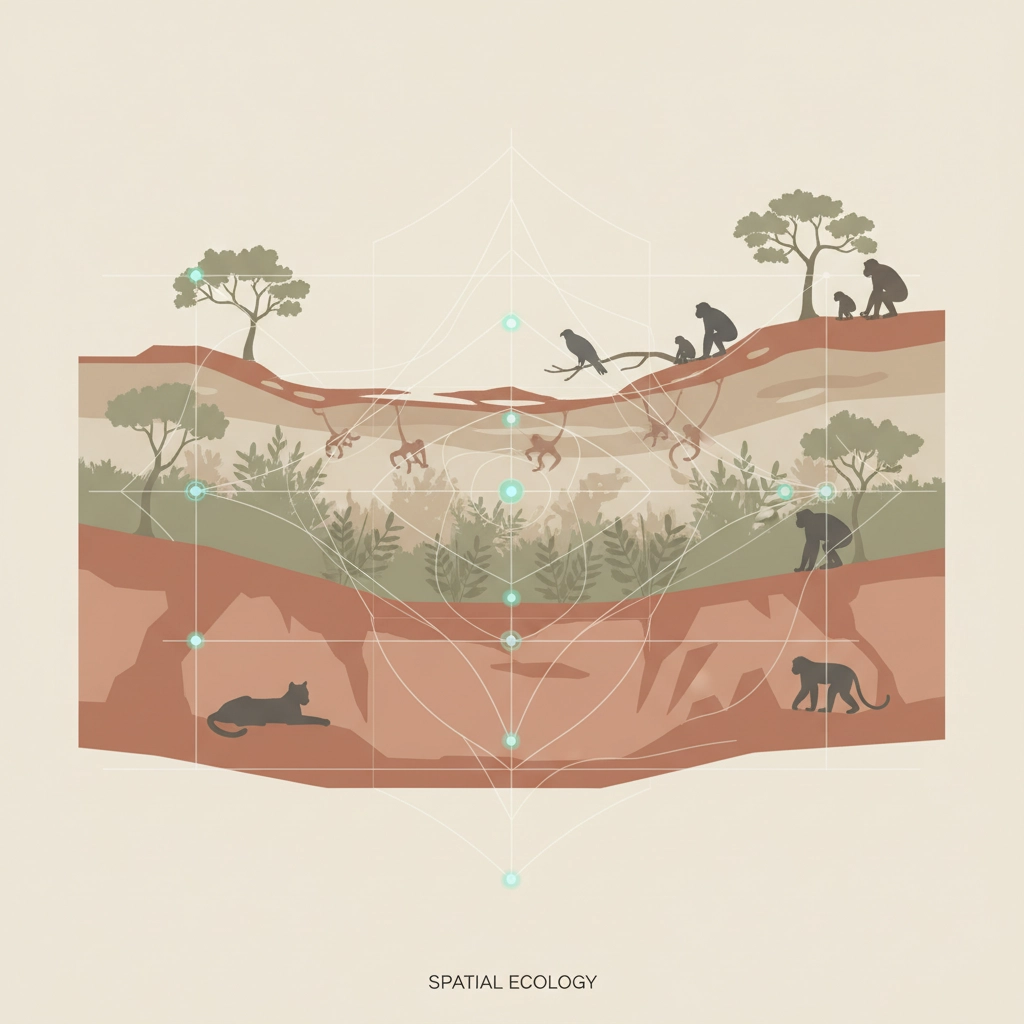
The Spatial Behaviorist analyzes how animals use their habitats, identifying preferred areas, potential enrichment opportunities, and space-related stress indicators.
"These AI tools don't take your job: they empower you to do your job more effectively and more efficiently."
This isn't science fiction. Computer vision technology has reached the point where it can differentiate between individual animals, recognize species-specific behaviors, and even detect subtle changes in movement patterns that might indicate health issues.
The Time-Saving Mathematics
Let me break down the time savings in concrete terms, because the numbers are genuinely impressive.
Observation Coverage: Traditional systems might provide 8-12 hours of human observation daily across all habitats. AI monitoring provides 24/7 coverage with the equivalent attention of multiple specialists. That's effectively 168 hours of expert observation weekly versus maybe 60-80 hours of human coverage.
Documentation Time: Instead of spending hours writing up observation notes, your staff receives automated alerts and detailed reports. A keeper who previously spent 20 minutes documenting each habitat visit can now review comprehensive AI summaries in 3-5 minutes.
Response Time: Critical situations get flagged immediately rather than being discovered during the next scheduled round. This shifts your entire operation from reactive to proactive care, potentially preventing emergencies before they develop.
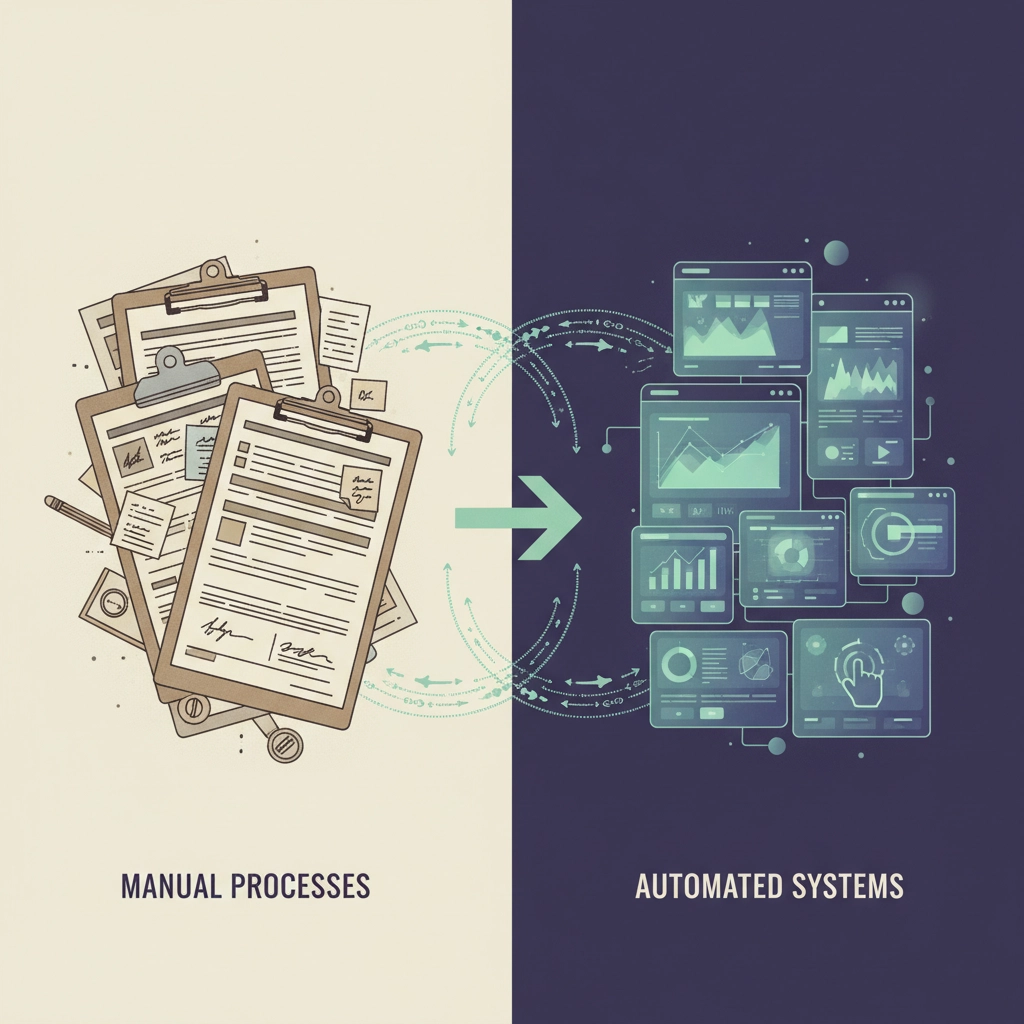
Quality Consistency: Human observers have off days, get distracted, or might miss subtle changes. AI systems maintain consistent attention levels and detection capabilities regardless of shift changes, weather conditions, or other variables.
Multi-Species Monitoring: Where AI Really Shines
Managing multi-species habitats presents some of the most complex challenges in animal care. You're tracking different behavioral patterns, dietary needs, social structures, and potential conflicts: often simultaneously across species with vastly different communication methods and activity cycles.
Traditional monitoring struggles with this complexity. A keeper might focus on the most visible or active species while missing important developments with less conspicuous animals. Or they might catch a concerning interaction but lack context about whether it's normal behavior for those particular species.
AI visual monitoring excels here because it doesn't have attention limitations. It simultaneously tracks every species in the habitat, understanding their individual behavioral baselines and inter-species relationship patterns. When a normally solitary animal starts seeking unusual social contact, or when typical territorial boundaries shift, the system flags these changes immediately.
The spatial influence analysis becomes particularly valuable in complex habitats. The AI maps how different species utilize shared spaces throughout daily cycles, identifying potential conflict zones and optimization opportunities that might take human observers weeks to recognize.
Real-World Impact: Beyond Time Savings
While time savings provide the most immediate operational benefits, AI monitoring delivers deeper improvements to animal welfare outcomes. Early detection capabilities mean interventions happen before situations become critical. Comprehensive behavioral tracking enables more nuanced enrichment strategies. Objective documentation supports better veterinary care and regulatory compliance.
Your staff can shift focus from routine documentation to specialized animal care tasks that require human expertise: hands-on enrichment activities, training programs, public education, and the complex problem-solving that makes animal care professionals invaluable.
The Integration Reality
You might be wondering about implementation complexity (and honestly, that's a fair concern). The beauty of modern AI systems lies in their ability to integrate with existing workflows rather than requiring complete operational overhauls.
Staff members receive alerts and reports through familiar interfaces: mobile apps, desktop dashboards, or even integration with existing management software. The learning curve involves understanding how to interpret AI insights rather than mastering complicated new procedures.
Training focuses on recognizing when AI alerts require immediate attention versus routine documentation, and how to use AI-generated insights to inform care decisions. Most teams find the transition intuitive because the technology enhances rather than replaces their existing expertise.
Looking Forward: The Expanding Possibilities
As AI technology continues advancing, we're approaching capabilities that seemed impossible just a few years ago. Predictive health monitoring that identifies illness indicators days before visible symptoms appear. Behavioral pattern analysis that optimizes enrichment timing for individual animals. Integration with veterinary diagnostic tools for comprehensive health tracking.
The facilities adopting AI monitoring today position themselves at the forefront of animal care innovation, providing better outcomes for animals while creating more sustainable working conditions for staff.
Making the Decision: Traditional vs. AI-Powered Systems
If you're managing a facility where staff regularly work overtime to maintain observation schedules, where critical behaviors might be missed between rounds, or where documentation consumes significant portions of your team's time, AI-powered systems offer compelling advantages.
For smaller facilities with limited budgets, traditional systems might remain practical in the short term: but the gap in operational efficiency will continue widening as AI technology becomes more accessible and affordable.
The question isn't whether AI will become standard in animal care: it's whether your facility will lead or follow this transformation.
The seven AI experts are already available to join your team. They never sleep, never miss details, and never stop learning about your animals. They're ready to give your human experts the support they deserve and the time they need to focus on what they do best: providing exceptional animal care.

Comments